Delicious gyoza and chahan. Finished off with tasty chicken broth. Thank you!
Overview
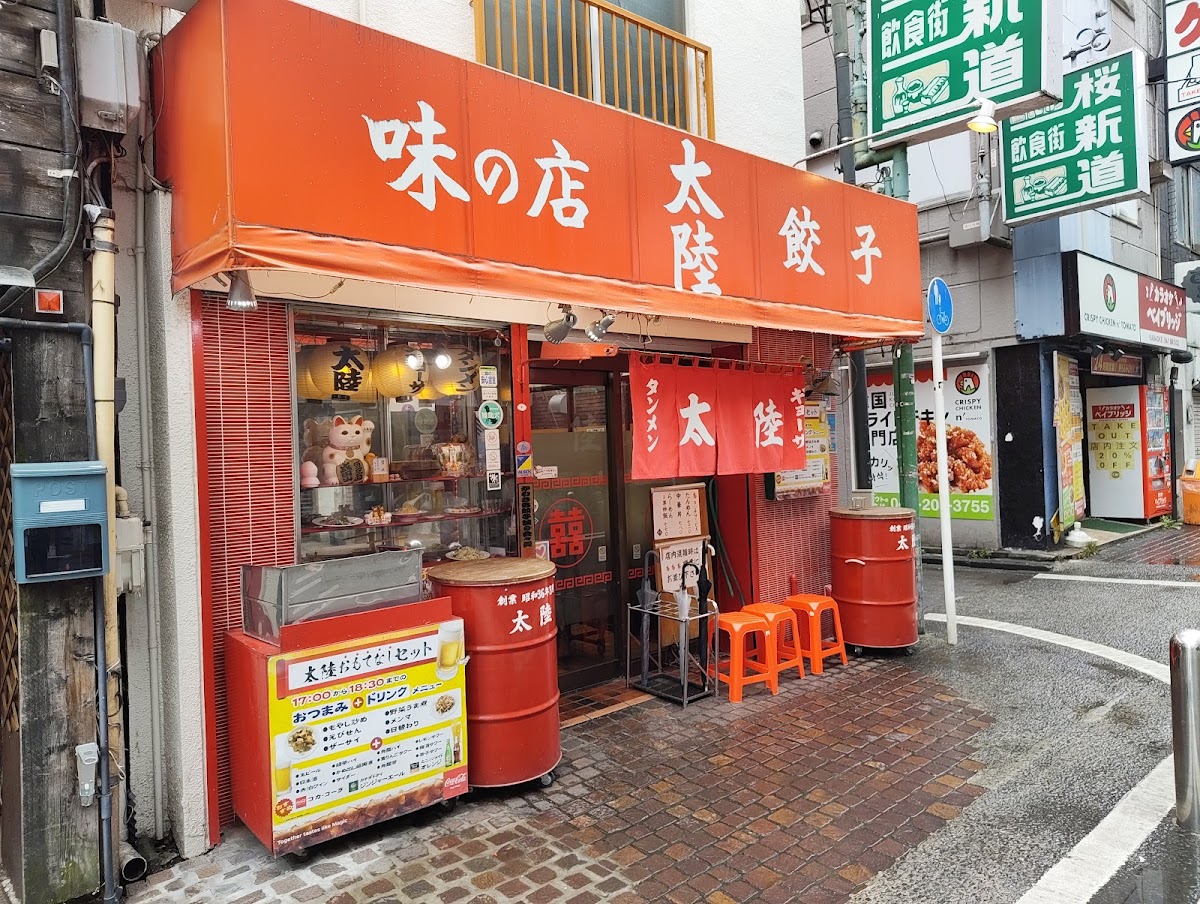
If you ever find yourself wandering around 1-12 Higashidacho, Kawasaki Ward, Kawasaki, Kanagawa 210-0005, Japan, hungry and unsure where to settle in, Tairiku is the kind of place that quietly wins you over. I first stopped by on a rainy weekday evening after a long day of meetings near Kawasaki Station. The street was buzzing with office workers and students, and inside, the warm lighting and the clatter of plates created that familiar, comforting diner energy that instantly makes you feel at home.
The menu leans heavily into hearty Japanese-Chinese comfort food. Think generous bowls of ramen, sizzling stir-fried vegetables, crispy gyoza, and rice dishes that come out steaming hot. On my first visit, I ordered their classic soy-based ramen and a side of pan-fried dumplings. The broth had depth without being overly salty, something that aligns with what the Japanese Ministry of Health, Labour and Welfare has long encouraged-moderating sodium while preserving flavor. You could taste the careful balance: slow-simmered bones, aromatics like garlic and ginger, and a light soy base that didn’t overpower the noodles.
What really impressed me, though, was their process. I asked one of the staff about the noodles, and she explained that they source them fresh from a local supplier in Kanagawa Prefecture. Fresh noodles, according to research from the Japan Food Research Laboratories, maintain better texture and elasticity compared to dried alternatives. That chewiness was noticeable; the noodles held the broth beautifully and didn’t turn mushy, even as I lingered over the bowl.
The gyoza deserve their own moment. Crisp on the outside, juicy inside, and served with a tangy dipping sauce that cuts through the richness. I’ve visited quite a few casual eateries across Kawasaki and Yokohama, and I’ve learned that good dumplings come down to technique: high-heat searing, followed by a quick steam to lock in moisture. You can tell the kitchen staff here understands that method well. The bottom had that golden crust, while the filling stayed tender and flavorful.
Beyond the food, the service feels genuinely local. It’s not overly polished, and that’s part of the charm. Regulars greet the staff by name. During my second visit, I noticed a small group of coworkers sharing multiple plates-fried rice, sweet-and-sour pork, and a large pot of soup in the center. That communal style of dining reflects a broader trend in Japanese casual dining, where sharing dishes encourages connection and conversation. According to data from the Japan External Trade Organization (JETRO), communal dining remains a strong cultural preference in neighborhood establishments.
The pricing is fair for the portion sizes. Kawasaki isn’t as expensive as central Tokyo, yet quality still matters to residents. Here, you’re getting satisfying servings without sacrificing taste or freshness. Reviews from local diners often mention value for money, and after multiple visits, I can see why. Portions are filling, and the flavors are consistent. Consistency is something many restaurant consultants highlight as key to building loyal customers. In my experience, Tairiku delivers on that front.
Location-wise, it’s convenient. Just a short walk from Kawasaki Station, it’s easy to pop in for lunch or dinner. The area around Higashidacho is lively but not overwhelming, which makes this spot ideal whether you’re dining solo, grabbing a quick bite between errands, or meeting friends after work.
Of course, like any busy neighborhood diner, peak hours can mean a short wait. I’ve had to stand outside for about ten minutes on a Friday night. Still, turnover is efficient, and the staff moves quickly without making guests feel rushed. That balance speaks to experience and smart kitchen coordination.
If you’re exploring Kawasaki and craving reliable comfort food-ramen, dumplings, stir-fries, and rice dishes served hot and fresh-this place fits naturally into your list of go-to locations. The flavors are honest, the atmosphere relaxed, and the overall experience grounded in the everyday rhythm of the neighborhood.
Good to know
Service options
✓ Delivery ✓ Takeaway ✓ Dine-inPopular for
✓ Lunch ✓ Dinner ✓ Solo diningAccessibility
✓ Wheelchair-accessible car park ✓ Wheelchair-accessible entrance ✓ Wheelchair-accessible seating ✓ Wheelchair-accessible toiletOfferings
✓ Alcohol ✓ Beer ✓ Small platesDining options
✓ Lunch ✓ Dinner ✓ Table serviceAmenities
✓ ToiletAtmosphere
✓ CasualPayments
✓ Cash only ✓ au PAYParking
✓ Paid parking lotPhotos
1 / 4
Location
Reviews
- No ratings yet 606 reviews
名物タワー硬焼きそばは圧巻です。さらに大盛りがあるようで、想像できませんがかなりの量だと思います。餃子も美味しいです。肉汁がしっかり包まれてて噛んだ瞬間口の中に広がります。他のメニューも是非食べてみたいと思いました。駅からは少し歩きますが遠くはありません。
2軒目で入ったお店。 混んでたから人気店なんだろうな・・ ジョッキデカくて炭酸強い店はいい店〜! そこから餃子。 好きな感じで美味い!! ネギとキクラゲの炒め物。これすごい美味しい〜火入れもシャキシャキ感がしっかりあって、とろみや塩っけも最高。 焼きそばは・・普通かな。 もっとお腹空いてたら、いろいろ試したい。 次回は1軒目で、ガッツリ食べたい。 また行きます!!
〇お店の雰囲気と対応 団体の予約席(職場の食事会かな?ご機嫌に盛大に愚痴ってましたが不快感なかった)があったため、2人席の回転を外の椅子で待ち45分。 忙しそうに見えていたわりに若い店員さんも年配の店員さんも終始気持ちよい対応してくださって居心地良かったです。 〇料理とコスパ ずっと食べたかったかた焼きそばタワーは子どもとシェアしたけど食べきれず、ホテルに持ち帰る(汗) 他、春巻きとビールと焼き餃子と椎茸スープで4,000円いかなかった料理のお味は、変なクセなく標準的美味しさ。 〇総合 注文から提供までそんな待たずわくわくして気持ちよく頂け、満足感高いお店でした。
・川崎駅近くにある町中華の飲食店。 タワー硬焼きそばがデカ盛りで有名との事。美味しい。 多分ネタ枠もあるちゃんとした美味しい老舗店。 店内はサイン色紙が一杯。